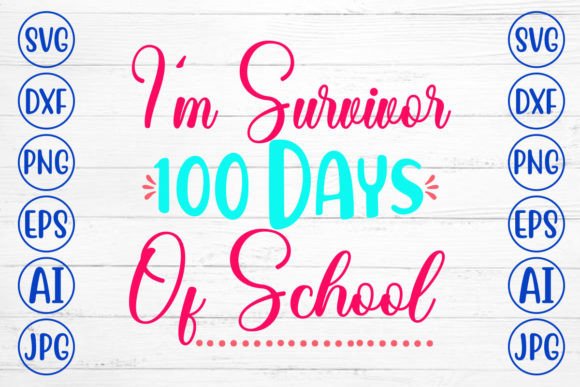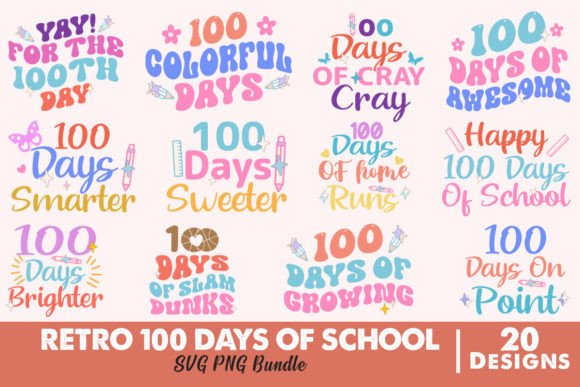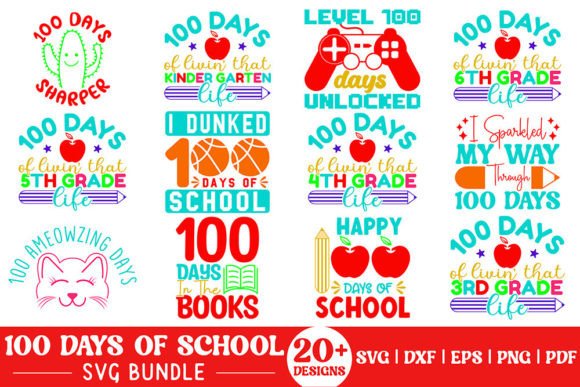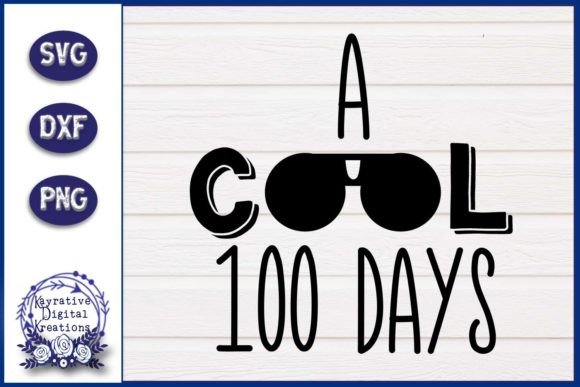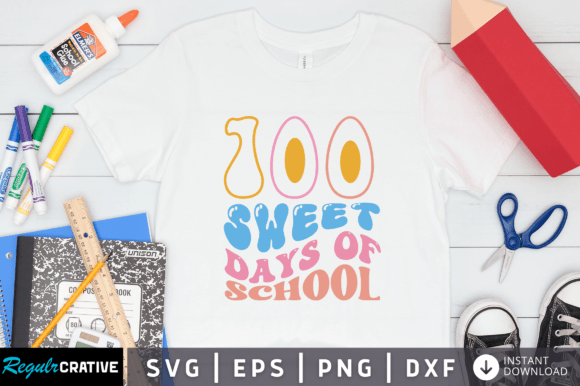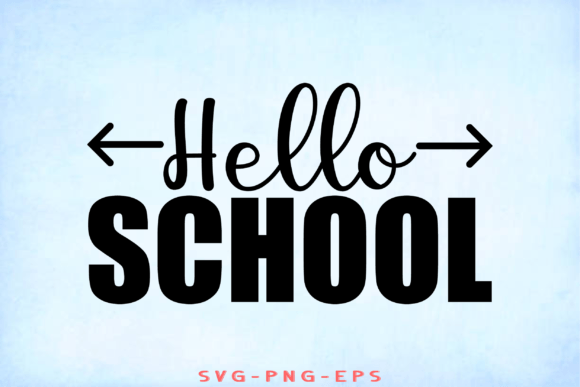
Hello School SVG Design for Crafts and Graphics Projects
Performance in Real-World Design Scenarios
- Logo Design: Not suitable as a standalone logo due to its illustrative nature, but great as a supporting element in themed logos.
- Brand Identity: Can be used effectively in sub-branding elements such as icons, badges, or decorative headers.
- Product Labels and Packaging: Adds personality to product labels, especially when paired with soft pastel colors or watercolor textures.
- Posters and Flyers: Works beautifully as a hero graphic in large layout areas, helping to set the tone for events or promotions.
- Sticker Design: The vector-based format ensures crisp edges even at small sizes, which is essential for sticker use.
- T-Shirt and Merchandise Designs: Performs well as a central graphic or accent, particularly for casual wear or kids’ apparel.
- Website and Blog Graphics: Ideal for blog headers, sidebar accents, or Pinterest-style pins that need a pop of thematic illustration.
- Etsy Product Listings: Enhances product mockups by adding a cohesive visual language that aligns with educational or creative niches.
- Editorial Design: Can be used in magazine spreads, zines, or printable wall art to evoke a sense of learning and creativity.
- Digital Ads and Social Media Posts: Adds a unique flair to Instagram stories, Facebook banners, or promotional content for schools or educational apps.
- Cricut and Silhouette Projects: The SVG format allows for easy customization and cutting, making it a solid choice for DIY crafters and small business owners using these tools.
Best Use Cases for This Design Asset
- Large Layout Areas: Its intricate details come alive when given space, so it’s perfect for posters, banners, or website headers.
- Hero Graphics: As a central visual in a design, it helps anchor the theme and draws the eye effectively.
- Product Mockups: Especially for print-on-demand shops, it fits seamlessly onto t-shirts, notebooks, or custom mugs.
- Decorative Accents: Great for adding subtle interest to minimalist designs without disrupting the overall composition.
- Themed Collections: Whether it's a school-themed line of stickers or a seasonal campaign around education, this design supports a consistent look.
- Printable Wall Art: Offers a nice blend of detail and scalability for home decor or classroom settings.
- Social Media Campaigns: Particularly useful for brands in the creative marketplace that want to stand out with visual storytelling.
Where Caution Is Advised
- Small Sizes: Some of the finer details may get lost when scaled down too much, so avoid using it for tiny icons or micro-design elements.
- Crowded Layouts: If your design already includes a lot of text or other graphics, this asset could become visually overwhelming.
- Complex Backgrounds: It performs best on simple, flat backgrounds where it can remain the focal point without competing for attention.
- Minimalist Branding: For clients seeking a sleek, modern look, this design might clash unless balanced with very clean typography and spacing.
- Professional Corporate Materials: Unless the corporate environment embraces a more youthful or creative vibe, this asset may not align with formal branding guidelines.
Design Considerations for Professional Use
Test in Black and White: The design retains enough contrast to be legible in grayscale, which is important for printed materials or black-and-white photography.
Check Contrast on Light and Dark Backgrounds: It works best on light-colored backgrounds, but you can still achieve good results on darker tones by adjusting opacity or overlaying a subtle background shape.
Preview at Small and Large Sizes: As mentioned earlier, some details may disappear at smaller scales. Always test the design in context before finalizing a project.
Place on Real Mockups: Try applying it to a variety of surfaces (e.g., a mug, notebook, or tote bag) to see how it translates from screen to physical product.
Test Print Quality: Since it’s often used in print-on-demand workflows, make sure it holds up when printed. Pay attention to how colors render and whether outlines stay sharp.
Review File Formats: The ZIP folder contains SVG, PNG, and EPS files. SVG is excellent for editing and scaling, while PNG is handy for quick placement in raster-based software. EPS is a bonus for high-quality print output.
Inspect PNG Transparency: The PNG file included shows good alpha channel support, which is crucial for layering over gradients or patterns.
Check SVG Editability: I confirmed that the SVG is editable in Adobe Illustrator and Cricut Design Space, allowing for re-coloring and resizing without quality loss.
Compare with Font Styles: The design pairs well with script or handwritten fonts for a cohesive look, but should be used cautiously with serif or sans-serif fonts in professional settings to maintain typographic harmony.
Confirm Commercial Licensing: As with all design assets, ensure that the commercial license covers your intended use—especially if you're creating products for resale or branded materials for a client.